Frittata Recipe for a Healthy and Filling Breakfast
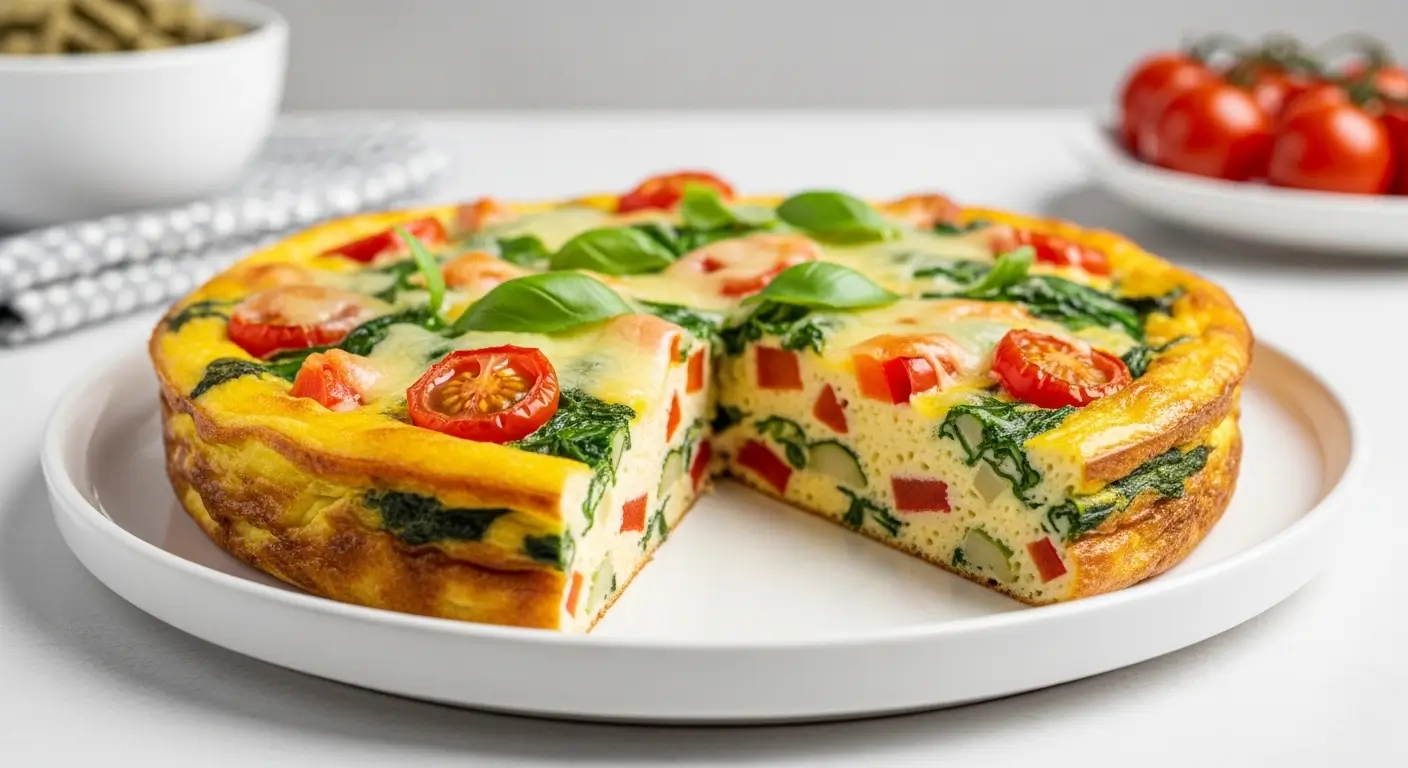
Why do some breakfast dishes keep you satisfied until lunch while others leave you reaching for snacks by mid-morning? The answer lies in balancing protein, healthy fats, and vegetables in proportions that stabilize blood sugar and provide sustained energy. The frittata recipe achieves this perfect equilibrium by combining eggs with vegetables and cheese into a versatile Italian dish that works equally well for breakfast, brunch, or dinner. This frittata recipe delivers complete nutrition in one pan while offering endless customization options that prevent breakfast boredom.
Table of Contents
Ingredients List
For this frittata recipe you’ll need:
- 8 large eggs
- 1/4 cup whole milk or cream
- 1/2 teaspoon salt
- 1/4 teaspoon black pepper
- 2 tablespoons olive oil
- 1 small onion, diced
- 1 bell pepper, diced
- 2 cups fresh spinach
- 1 cup cherry tomatoes, halved
- 3 cloves garlic, minced
- 1 cup shredded cheese (cheddar, feta, or gruyere)
- 2 tablespoons fresh herbs (basil, parsley, or chives)
- Red pepper flakes (optional)
Timing
This frittata recipe requires:
- Preparation time: 10 minutes
- Cooking time: 18 minutes
- Total time: 28 minutes
Step-by-Step Instructions
Step 1: Prepare the Egg Mixture
In a large bowl, whisk together the eggs, milk, salt, and black pepper until well combined and slightly frothy. Whisking incorporates air that creates a lighter, fluffier texture in your finished frittata. The milk adds creaminess and helps the eggs cook more gently without becoming rubbery. Set this mixture aside while you prepare the vegetables. Room temperature eggs whisk more easily and create better volume than cold eggs straight from the refrigerator. This egg base forms the foundation of your frittata recipe and can be seasoned according to your taste preferences.
Step 2: Sauté the Vegetables
Heat olive oil in a 10-inch oven-safe skillet over medium heat. Add the diced onion and bell pepper, cooking for 5-6 minutes until softened and slightly caramelized. The caramelization develops natural sweetness that balances the savory eggs. Add minced garlic and cook for one more minute until fragrant but not browned. Stir in the fresh spinach and cook until wilted, about 2 minutes. Add the halved cherry tomatoes last, cooking just until they begin to soften. This careful layering of vegetables ensures each ingredient is cooked perfectly without becoming mushy or losing its distinct flavor and texture.
Step 3: Combine and Start Cooking
Reduce heat to medium-low and spread the cooked vegetables evenly across the bottom of the skillet. Pour the whisked egg mixture over the vegetables, using a spatula to ensure even distribution and gently lifting the vegetables so eggs flow underneath. Sprinkle the shredded cheese evenly over the top, along with fresh herbs and red pepper flakes if using. Let the frittata cook undisturbed for 8-10 minutes. You’ll notice the edges beginning to set while the center remains slightly jiggly. Resist the urge to stir—a frittata cooks differently than scrambled eggs and needs to set as one cohesive layer.
Step 4: Finish in the Oven
While the frittata cooks on the stovetop, preheat your broiler to high. Once the edges are set but the center is still slightly liquid, transfer the entire skillet to the oven positioned 6 inches from the broiler element. Broil for 3-5 minutes, watching carefully to prevent burning. The top should puff up slightly and turn golden brown with the cheese melted and bubbly. The frittata is done when the center is just set but still looks slightly moist—it will continue cooking from residual heat after removal. This two-stage cooking method ensures your frittata recipe results in perfectly cooked eggs from edge to center.
Step 5: Rest and Serve
Remove the skillet from the oven using oven mitts—the handle will be extremely hot. Let the frittata rest in the pan for 5 minutes before slicing. This resting period allows the eggs to finish setting and makes slicing much neater. Run a spatula around the edges to loosen, then slide the frittata onto a cutting board or serving plate. Cut into wedges like a pie and serve warm or at room temperature. The beauty of this frittata recipe is its versatility—it tastes delicious whether served immediately, at room temperature, or even cold from the refrigerator the next day.
Nutritional Information
For a serving of this frittata recipe (this recipe serves 4-6 people):
- Calories: 245
- Total Fat: 18g
- Saturated Fat: 6g
- Cholesterol: 330mg
- Sodium: 420mg
- Total Carbohydrates: 7g
- Dietary Fiber: 2g
- Sugars: 4g
- Protein: 16g
- Vitamin A: 2850 IU
- Vitamin C: 45mg
- Calcium: 220mg
- Iron: 2mg
- Potassium: 380mg
Healthier Alternatives for the Recipe
Transform your frittata recipe into a healthier version with these modifications:
- Egg White Substitute: Use 12 egg whites instead of 8 whole eggs to dramatically reduce cholesterol and fat while maintaining protein
- Low-Fat Dairy: Replace whole milk with unsweetened almond milk and use reduced-fat cheese to cut calories and saturated fat
- Extra Vegetables: Double the vegetable quantity and reduce eggs to 6 for a veggie-forward frittata with more fiber and nutrients
- Turkey Sausage Addition: Add cooked turkey sausage instead of cheese for lean protein with savory flavor
- Nutritional Yeast: Replace cheese with nutritional yeast for a dairy-free option that provides B vitamins and cheesy flavor
- Olive Oil Spray: Use cooking spray instead of oil to reduce fat content while still preventing sticking
- Greek Yogurt: Substitute milk with plain Greek yogurt for added protein and probiotic benefits
Serving Suggestions
Elevate your frittata recipe experience with these ideas:
- Serve with whole grain toast, fresh fruit salad, and Greek yogurt for a complete balanced breakfast
- Top each slice with avocado, salsa, and a dollop of sour cream for Mexican-inspired flavors
- Pair with a simple arugula salad dressed with lemon vinaigrette for a light lunch option
- Create frittata sandwiches by placing wedges between toasted English muffins with arugula
- Accompany with roasted potatoes and bacon for a hearty weekend brunch spread
- Cut into small squares and serve as appetizers at parties with toothpicks for easy eating
- Pack individual portions with crackers and vegetables for protein-rich portable lunches
Common Mistakes to Avoid
Master this frittata recipe by avoiding these pitfalls:
- High Heat Cooking: Using too-high heat causes the bottom to burn before the center cooks—always use medium to medium-low temperature
- Overfilling the Pan: Adding too many ingredients creates a thick frittata that won’t cook evenly—keep the depth under 1.5 inches
- Stirring Like Scrambled Eggs: Continuously stirring prevents the frittata from setting into its characteristic firm texture
- Wet Vegetables: Not properly draining or cooking vegetables releases excess moisture that makes frittata watery and prevents proper setting
- Overbaking: Cooking until completely firm creates dry, rubbery eggs—remove when center is slightly jiggly
- Wrong Pan Type: Using a pan without an oven-safe handle prevents finishing under the broiler—always check pan safety first
- Skipping the Rest: Cutting immediately causes the frittata to fall apart—patience ensures clean, neat slices
Storing Tips for the Recipe
Preserve the freshness of your frittata recipe with these strategies:
- Refrigerator Storage: Store cooled frittata covered or in an airtight container for up to 4 days in the refrigerator
- Individual Portions: Cut into wedges and wrap separately for grab-and-go breakfast meal prep throughout the week
- Freezing Method: Wrap individual slices tightly in plastic wrap, then foil, and freeze for up to 2 months
- Reheating Instructions: Warm refrigerated slices in a 350°F oven for 10 minutes or microwave for 1-2 minutes until heated through
- Room Temperature Serving: Bring to room temperature 30 minutes before serving for best flavor if not eating warm
- Prevent Drying: Store with a paper towel in the container to absorb excess moisture without making the frittata soggy
- Prep Ahead: Chop vegetables and shred cheese the night before, storing separately for quick morning assembly
Conclusion
This frittata recipe combines protein-rich eggs with colorful vegetables for a nutritious, satisfying meal. The simple stovetop-to-oven technique creates perfect texture while allowing endless customization to suit any taste preference or dietary need.
Ready to master this versatile dish? Try this frittata recipe and share your results in the review section below. Leave a comment on our blog with your favorite vegetable and cheese combinations!
FAQs
Can I make a frittata without an oven-safe pan? Yes! Cook completely on the stovetop over low heat with a lid, or carefully flip the frittata halfway through cooking like a large omelet.
Can I make frittata recipe ahead for meal prep? Absolutely! Frittatas are perfect for meal prep. Make on Sunday and enjoy throughout the week. They taste great cold, room temperature, or reheated.
Why is my frittata rubbery? Overcooking is the main cause. Remove from heat when the center is slightly jiggly—it will continue cooking from residual heat and set perfectly as it cools.
Can I add meat to this frittata recipe? Yes! Cooked bacon, sausage, ham, or prosciutto are excellent additions. Add them with the vegetables before pouring in the egg mixture.
How do I know when the frittata is done? The edges should be set and pulling away from the pan, while the center jiggles slightly but isn’t liquid. An instant-read thermometer should read 160°F in the center.
Your Feedback Matters
There are no reviews yet. Be the first one to write one.