Spring Ice Cream Made with Fresh Seasonal Ingredients
What makes homemade ice cream taste exponentially better than store-bought varieties despite using essentially the same basic ingredients? The answer lies in freshness and control—using seasonal produce at peak ripeness and adjusting sweetness levels creates customized flavors impossible to find in commercial freezer aisles. Spring ice cream captures the essence of the season by incorporating fresh strawberries, rhubarb, and honey into a creamy base that tastes like sunshine and renewal. This spring ice cream recipe delivers restaurant-quality results using a simple custard method that doesn’t require expensive equipment or culinary school training.
Table of Contents
Ingredients List
For this spring ice cream you’ll need:
- 2 cups heavy cream
- 1 cup whole milk
- 3/4 cup granulated sugar
- 5 large egg yolks
- 1 teaspoon vanilla extract
- 1/4 teaspoon salt
- 2 cups fresh strawberries, hulled and chopped
- 1 cup fresh rhubarb, diced
- 1/4 cup honey
- 2 tablespoons lemon juice
- Fresh mint leaves for garnish
Timing
This spring ice cream requires:
- Preparation time: 20 minutes
- Cooking time: 15 minutes
- Chilling time: 4 hours
- Churning time: 25 minutes
- Freezing time: 4 hours
- Total time: 9 hours
Step-by-Step Instructions
Step 1: Prepare the Fruit Compote
In a medium saucepan over medium heat, combine the chopped strawberries, diced rhubarb, honey, and lemon juice. Cook for 10-12 minutes, stirring occasionally, until the fruit breaks down and the mixture thickens to a jam-like consistency. The rhubarb’s tartness balances the strawberries’ sweetness while honey adds depth that granulated sugar cannot match. Remove from heat and let cool completely, then refrigerate. This fruit compote will be swirled through your spring ice cream base, creating beautiful ribbons of concentrated seasonal flavor.
Step 2: Make the Custard Base
In a medium saucepan, combine the heavy cream, milk, and half the sugar. Heat over medium heat until small bubbles form around the edges—do not boil. In a separate bowl, whisk together the egg yolks, remaining sugar, and salt until pale and slightly thickened. This creates a custard base that gives homemade ice cream its luxurious, creamy texture that no-churn methods simply cannot replicate. The egg yolks provide richness and help prevent ice crystals from forming during the freezing process.
Step 3: Temper the Eggs
Slowly pour about one cup of the hot cream mixture into the egg yolks while whisking constantly. This tempering process gradually raises the egg temperature without scrambling them. Pour the warmed egg mixture back into the saucepan with the remaining cream, whisking continuously. Cook over medium-low heat, stirring constantly with a wooden spoon, until the mixture thickens enough to coat the back of the spoon—this usually takes 5-7 minutes. The custard should reach 170-175°F on an instant-read thermometer. This careful technique ensures your spring ice cream has smooth, velvety texture.
Step 4: Chill the Base Completely
Remove the custard from heat and stir in the vanilla extract. Strain through a fine-mesh sieve into a clean bowl to remove any possible egg solids or lumps. Place the bowl in an ice bath and stir occasionally until cool, or refrigerate for at least 4 hours or overnight. Complete chilling is crucial—warm or room-temperature bases create icy, grainy ice cream instead of smooth, creamy results. The longer the base chills, the better it churns, so overnight refrigeration yields superior texture in your finished spring ice cream.
Step 5: Churn and Swirl
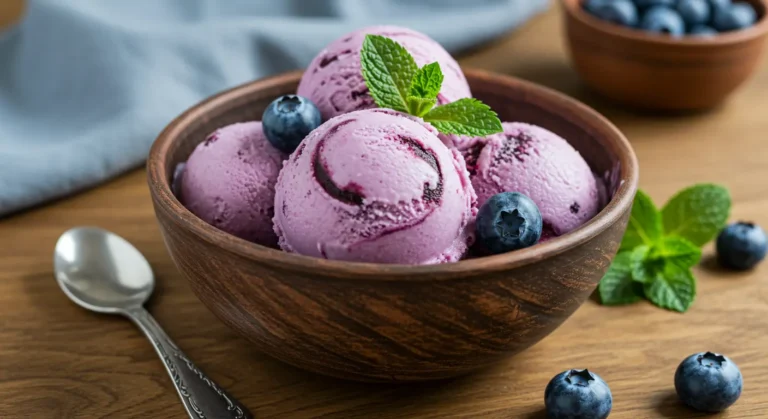
Pour the chilled custard into your ice cream maker and churn according to manufacturer’s instructions, typically 20-25 minutes until it reaches soft-serve consistency. During the last few minutes of churning, drizzle in half the fruit compote, allowing it to create natural swirls. Transfer the ice cream to a freezer-safe container, layering with spoonfuls of the remaining compote and gently swirling with a knife to create ribbons. Don’t overmix—you want distinct fruit swirls, not uniform pink ice cream. Freeze for at least 4 hours until firm enough to scoop.
Nutritional Information
For a serving of this spring ice cream (this recipe serves 8-10 people):
- Calories: 285
- Total Fat: 18g
- Saturated Fat: 11g
- Cholesterol: 155mg
- Sodium: 85mg
- Total Carbohydrates: 28g
- Dietary Fiber: 1g
- Sugars: 25g
- Protein: 4g
- Vitamin A: 680 IU
- Vitamin C: 22mg
- Calcium: 95mg
- Iron: 1mg
Healthier Alternatives for the Recipe
Transform your spring ice cream into a healthier version with these modifications:
- Coconut Milk Base: Replace dairy with full-fat coconut milk for vegan option with tropical undertones
- Reduced Sugar: Cut sugar by one-third and increase fruit compote for natural sweetness
- Greek Yogurt Addition: Replace half the cream with Greek yogurt for protein boost and tangy flavor
- Honey Sweetener: Use honey exclusively instead of granulated sugar for trace minerals and lower glycemic impact
- Banana Nice Cream: Create dairy-free version by blending frozen bananas with fruit compote
- Stevia Substitute: Use stevia or monk fruit sweetener to dramatically reduce calories and sugar
- Cashew Cream: Blend soaked cashews for creamy, dairy-free base rich in healthy fats
Serving Suggestions
Elevate your spring ice cream experience with these ideas:
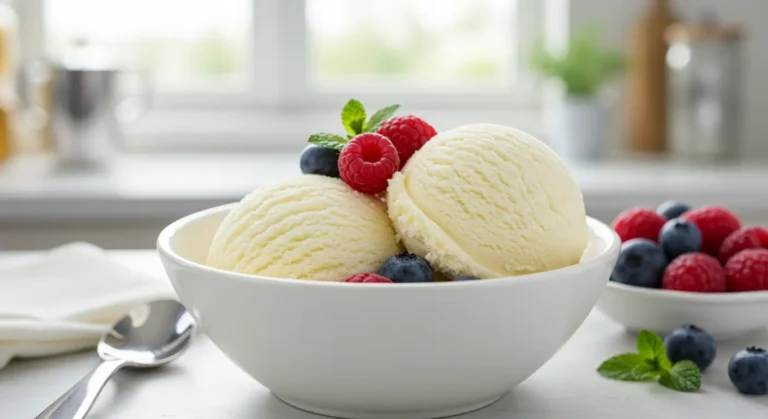
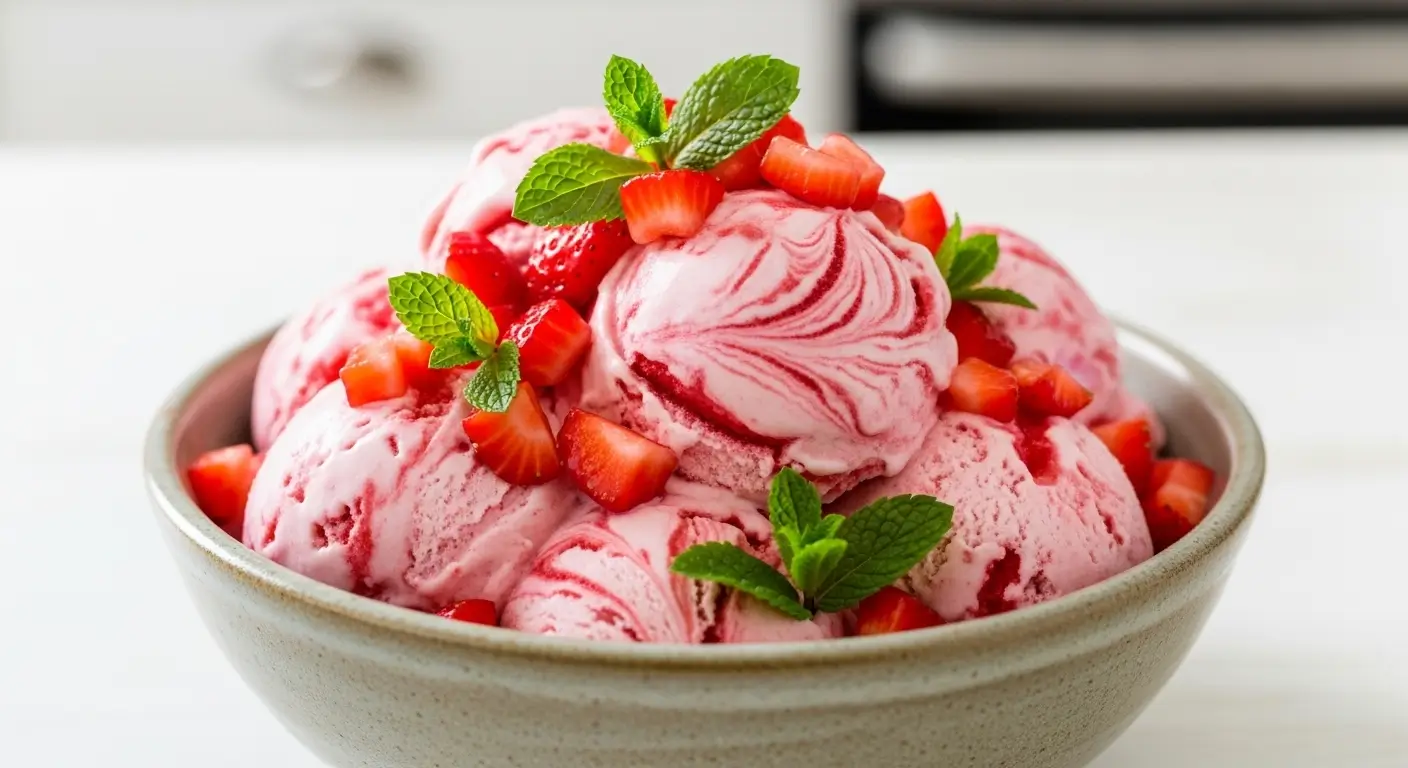
- Serve in chilled bowls topped with fresh strawberry slices, mint leaves, and shortbread cookies
- Create ice cream sandwiches using homemade sugar cookies or graham crackers
- Layer in parfait glasses with granola and fresh berries for elegant presentation
- Top with warm rhubarb compote and candied nuts for temperature and texture contrast
- Accompany with pound cake or angel food cake for classic American dessert pairing
- Drizzle with balsamic reduction for sophisticated flavor combination that enhances strawberries
- Freeze in popsicle molds for portable spring treats perfect for outdoor gatherings
Common Mistakes to Avoid
Master this spring ice cream by avoiding these pitfalls:
- Boiling the Custard: Overheating scrambles eggs and creates grainy texture—maintain gentle heat and constant stirring
- Skipping the Chill: Churning warm base creates icy crystals instead of smooth, creamy texture
- Overripe Fruit: Mushy strawberries create watery compote—use firm, fresh berries at peak season
- Under-Churning: Stopping too soon yields soupy consistency—churn until soft-serve thickness
- Overmixing Swirls: Blending fruit completely creates uniform color instead of beautiful ribbons
- Inadequate Freezing: Serving too soon results in melty mess—allow full 4 hours for proper firmness
- Wrong Storage Container: Using containers with excess air space causes ice crystals—choose airtight, appropriately sized containers
Storing Tips for the Recipe
Preserve the freshness of your spring ice cream with these strategies:
- Airtight Storage: Keep in freezer-safe container with plastic wrap pressed against surface to prevent ice crystals
- Proper Freezing Temperature: Maintain freezer at 0°F or below for optimal texture and longevity
- Consumption Timeline: Enjoy within 2 weeks for best flavor and texture, though it keeps safely for up to 1 month
- Prevent Ice Crystals: Cover surface with parchment paper before sealing lid to minimize frost formation
- Softening Method: Let ice cream sit at room temperature 5-10 minutes before scooping for easier serving
- Compote Storage: Store extra fruit compote refrigerated for up to 1 week, using on yogurt, oatmeal, or toast
- Base Preparation: Make custard base up to 2 days ahead, storing refrigerated until ready to churn
Conclusion
Spring ice cream celebrates seasonal strawberries and rhubarb in creamy, custard-based perfection. This homemade recipe delivers superior flavor and texture through simple techniques, creating memorable treats that showcase spring’s freshest produce.
Ready to churn spring magic? Try this spring ice cream recipe and share your results in the review section below. Leave a comment on our blog with your favorite seasonal flavor combinations!
FAQs
Do I need an ice cream maker? While an ice cream maker produces the best texture, you can freeze the custard in a shallow pan, stirring every 30 minutes for 3-4 hours to break up ice crystals.
Can I use frozen fruit instead of fresh? Fresh fruit provides better flavor and texture, but thawed and drained frozen fruit works in a pinch. The compote may be slightly more watery.
Why is my ice cream icy instead of creamy? This usually means the base wasn’t chilled enough before churning or the freezer temperature is too low. Ensure complete chilling and maintain proper freezer temp.
How do I know when the custard is done? The mixture should coat the back of a spoon and hold a line when you draw your finger through it. An instant-read thermometer should read 170-175°F.
Can I make this spring ice cream without eggs? Yes, though the texture won’t be as creamy. Use a Philadelphia-style base with just cream, milk, and sugar, adding cornstarch for body.
What other spring fruits work well? Try apricots, cherries, or combine strawberries with fresh basil or elderflower for unique spring flavors that celebrate seasonal produce.
Your Feedback Matters
There are no reviews yet. Be the first one to write one.