Spring Sangria Recipe: The Best Light and Fruity Blend
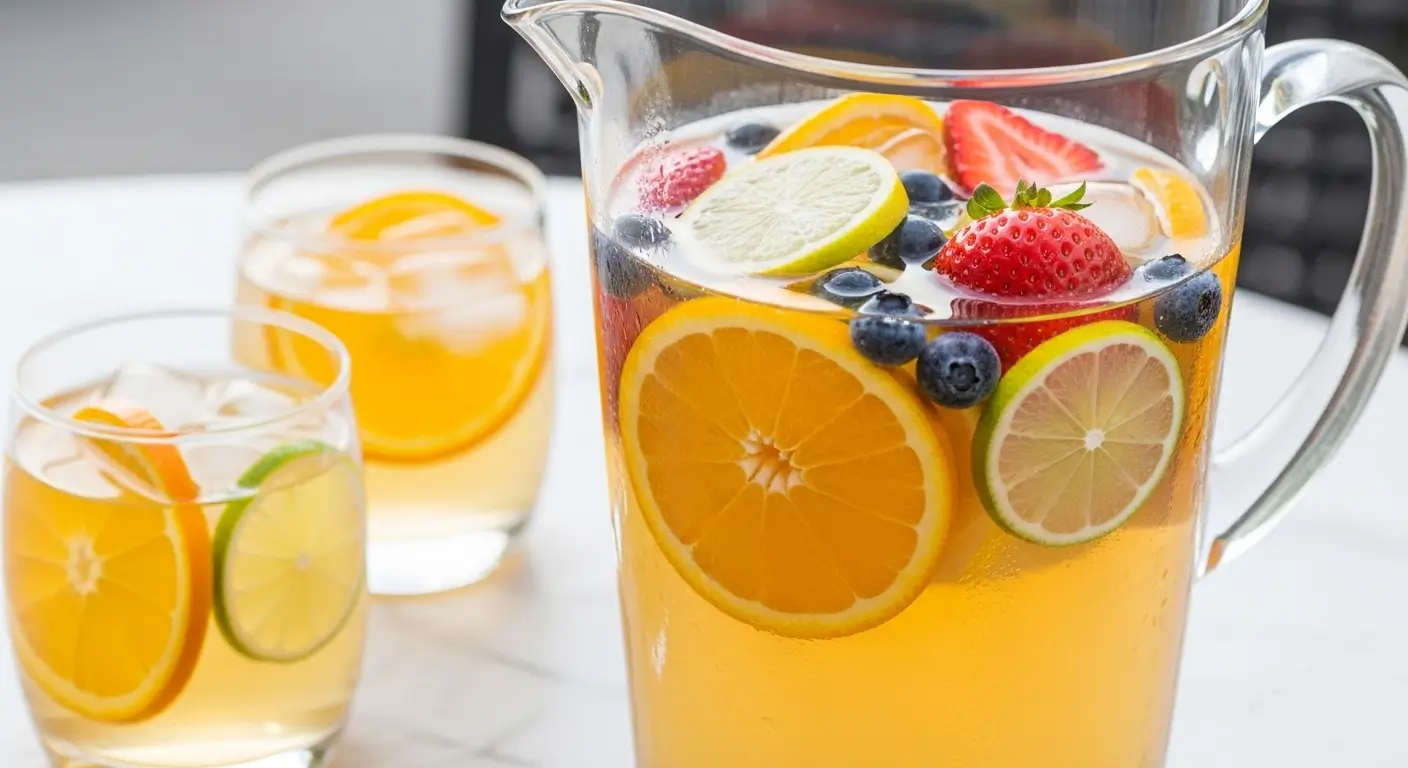
What makes certain cocktails taste exponentially better when made ahead rather than mixed to order, completely defying traditional bartending wisdom? The answer lies in maceration—the process where fruit releases natural sugars and flavors into liquid over time, creating depth impossible to achieve through immediate mixing. The spring sangria recipe capitalizes on this chemistry by combining white wine with fresh seasonal fruits, citrus, and herbs that transform during refrigeration into a harmonious blend greater than the sum of its parts. This spring sangria recipe celebrates the season with strawberries, citrus slices, and fresh mint in a light, refreshing pitcher cocktail perfect for outdoor gatherings.
Table of Contents
Ingredients List
For this spring sangria recipe you’ll need:
- 1 bottle white wine (750ml), such as Sauvignon Blanc or Pinot Grigio
- 1/4 cup elderflower liqueur
- 1/4 cup brandy
- 2 tablespoons honey or agave nectar
- 1 cup strawberries, sliced
- 1 orange, sliced into rounds
- 1 lemon, sliced into rounds
- 1 lime, sliced into rounds
- 1/2 cup fresh blueberries
- 1/4 cup fresh mint leaves
- 2 cups sparkling water or club soda
- Ice cubes
- Extra fruit and mint for garnish
Timing
This spring sangria recipe requires:
- Preparation time: 10 minutes
- Chilling time: 2-4 hours
- Total time: 2 hours 10 minutes to 4 hours 10 minutes
Step-by-Step Instructions
Step 1: Select and Prepare Your Wine Base
Choose a crisp, light white wine that’s enjoyable on its own but not overly expensive—mid-range bottles work perfectly as the fruit and other ingredients enhance the wine’s characteristics. Sauvignon Blanc offers citrus notes, while Pinot Grigio provides apple-pear flavors ideal for spring sangria. Pour the entire bottle into a large pitcher or glass beverage dispenser. Add the elderflower liqueur for floral sweetness and brandy for depth and slight warmth. Stir in honey, whisking until completely dissolved. The honey balances the wine’s acidity while adding natural sweetness that complements rather than overpowers the fresh fruit in your spring sangria recipe.
Step 2: Prep the Fresh Fruit
Wash all fruit thoroughly under cool water and pat dry. Slice strawberries into quarters, keeping some whole for garnish. Cut the orange, lemon, and lime into thin rounds, removing any seeds. The citrus wheels add both flavor and beautiful visual appeal when they float in the pitcher. Keep the fruit slices relatively thin—around 1/4 inch—so they release flavor efficiently without becoming mushy. Add all the sliced fruit and whole blueberries to the wine mixture. The variety of fruits creates complex flavor layers that define a great sangria.
Step 3: Add Herbs and Chill
Gently bruise the fresh mint leaves between your palms to release aromatic oils, then add them to the pitcher. The mint provides refreshing herbal notes that distinguish spring sangria from heavier red wine versions. Stir everything together gently with a long spoon, ensuring the honey is fully incorporated and fruit is evenly distributed. Cover the pitcher with plastic wrap or a lid and refrigerate for a minimum of 2 hours, though 4-6 hours is ideal. During this time, the fruit macerates, releasing natural sugars and flavors that create the signature taste of this spring sangria recipe.
Step 4: Add Bubbles Before Serving
Just before serving, remove the pitcher from the refrigerator and add the sparkling water or club soda. The carbonation should always be added at the last moment to maintain effervescence—adding it hours ahead results in flat sangria. Stir gently to incorporate without losing too many bubbles. The sparkling water lightens the drink and adds refreshing fizz perfect for warm spring days. Taste and adjust if needed—add more honey for sweetness or a squeeze of fresh citrus for brightness.
Step 5: Serve Over Ice with Fresh Garnish
Fill glasses with ice cubes and ladle the sangria over, making sure each glass gets a good mix of fruit. The fruit is edible and delicious after macerating—encourage guests to enjoy it. Garnish each glass with extra strawberry slices, citrus wheels, or fresh mint sprigs for beautiful presentation. Provide long spoons so guests can eat the wine-soaked fruit. Your spring sangria recipe is now ready to enjoy—light, fruity, and perfectly balanced for seasonal celebrations.
Nutritional Information
For a serving of this spring sangria recipe (this recipe serves 6-8 people):
- Calories: 145
- Total Fat: 0g
- Saturated Fat: 0g
- Cholesterol: 0mg
- Sodium: 8mg
- Total Carbohydrates: 15g
- Dietary Fiber: 1g
- Sugars: 12g
- Protein: 0.5g
- Vitamin C: 28mg
- Potassium: 125mg
- Alcohol Content: 12g
Healthier Alternatives for the Recipe
Transform your spring sangria recipe into a healthier version with these modifications:
- Sugar-Free Option: Omit honey and elderflower liqueur, relying on fruit’s natural sweetness and using stevia if needed
- Lower Alcohol Version: Replace half the wine with white grape juice or reduce wine by one-third and increase sparkling water
- Mocktail Adaptation: Use alcohol-free white wine or white grape juice with sparkling water for a festive non-alcoholic option
- Coconut Water Base: Replace sparkling water with coconut water for natural electrolytes and subtle tropical sweetness
- Green Tea Infusion: Add cooled white tea for antioxidants and subtle depth without additional calories
- Berry Boost: Increase berries and reduce wine slightly for more antioxidants and vitamins with less alcohol
- Herb Variety: Add basil or lavender alongside mint for additional aromatics and potential health benefits
Serving Suggestions
Elevate your spring sangria recipe experience with these ideas:
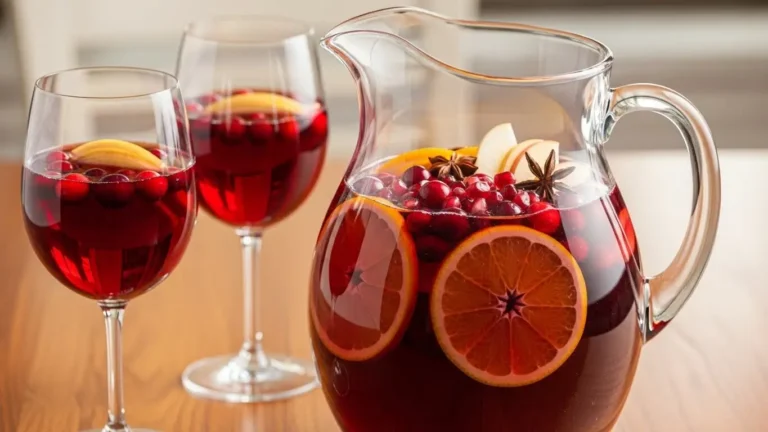
- Serve in a clear glass pitcher or beverage dispenser to showcase the colorful fruit and encourage self-service
- Pair with light spring dishes like grilled fish, chicken salad, or vegetable quiche for brunch or lunch
- Freeze extra fruit in ice cube trays with water to create decorative ice that won’t dilute the sangria
- Present in wine glasses for formal occasions or mason jars for casual garden parties
- Offer spring sangria recipe alongside sparkling water, lemonade, and iced tea to provide non-alcoholic options for all guests
- Create a sangria bar with various fruit additions and let guests customize their glasses
- Garnish the pitcher rim with citrus wheels and fresh herb sprigs for impressive presentation
Common Mistakes to Avoid
Master this spring sangria recipe by avoiding these pitfalls:
- Using Expensive Wine: Premium wines are wasted in sangria—save costly bottles for drinking plain and use mid-range options
- Adding Soda Too Early: Carbonation goes flat during refrigeration—always add sparkling water immediately before serving
- Insufficient Chilling Time: Serving without adequate maceration results in underdeveloped flavors—plan ahead for best results
- Wrong Wine Choice: Heavy red wines overpower spring flavors—stick with light, crisp white wines for seasonal appropriateness
- Overly Sweet: Too much honey or liqueur creates cloying sangria—start with less sweetener and adjust to taste
- Warm Serving Temperature: Room temperature sangria loses refreshing quality—serve well-chilled over ice
- Brown Fruit: Not using citrus acid allows fruit to oxidize and brown—lemon and lime prevent this naturally
Storing Tips for the Recipe
Preserve the freshness of your spring sangria recipe with these strategies:
- Refrigerator Storage: Keep prepared sangria refrigerated for up to 2 days, though it’s best within 24 hours
- Fruit Separation: For longer storage, strain out fruit after 24 hours to prevent over-maceration and mushiness
- Airtight Container: Store in a sealed pitcher or bottle to prevent oxidation and maintain freshness
- Add Bubbles Fresh: Never add sparkling water to sangria you plan to store—add only when serving
- Freeze Extra Fruit: Prepare fruit in advance and freeze in portions for quick future sangria batches
- Wine Storage: Keep unopened wine in a cool, dark place; once opened, use within 3-5 days even if not making sangria
- Batch Preparation: Mix the wine base up to 3 days ahead, adding fresh fruit and bubbles when ready to serve
Conclusion
Spring sangria recipe celebrates seasonal fruit with light white wine and fresh herbs. This make-ahead pitcher cocktail improves during refrigeration, creating complex flavors perfect for effortless entertaining at garden parties, brunches, and warm-weather gatherings.
Ready to toast spring? Try this spring sangria recipe and share your results in the review section below. Leave a comment on our blog with your favorite fruit combinations!
FAQs
Can I make sangria with red wine instead? Yes, though it won’t be “spring” sangria. Red wine sangria is traditionally heavier and better suited for fall and winter with different fruits like apples and oranges.
How far in advance should I make sangria? Make it 2-4 hours ahead for optimal flavor, though it’s still delicious after 6-8 hours. Beyond 24 hours, fruit becomes too soft and flavors can become muddy.
What if I don’t have elderflower liqueur? Substitute with triple sec, Cointreau, or even a splash of peach schnapps. You can also omit it and add more brandy or wine.
Can I use frozen fruit? Fresh fruit is better for texture and appearance, but frozen fruit works if thawed and drained well. The sangria may be slightly watered down.
Is spring sangria recipe gluten-free? Yes! Wine, spirits, and fruit are naturally gluten-free. Just verify that any liqueurs used don’t contain gluten-based ingredients.
How much sangria should I make per person? Plan for about 5-6 ounces per person. This recipe serves 6-8 people comfortably, depending on whether sangria is the only beverage offered.
Your Feedback Matters
There are no reviews yet. Be the first one to write one.